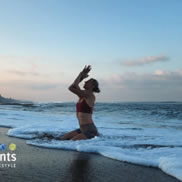
- Remarkable energy flows within the lucky wave and coastal harmony practices
- Understanding Oceanic Energy and its Influence
- The Science Behind Wave Formation and Energy
- Coastal Harmony Practices and Wellbeing
- The Role of Mindfulness and Meditation by the Sea
- The Psychological Impact of Experiencing a ‘Lucky Wave’
- The Connection Between Flow State and Oceanic Experiences
- Beyond Surfing: Recognizing Lucky Waves in Daily Life
- Integrating Coastal Wisdom for a Balanced Life
Remarkable energy flows within the lucky wave and coastal harmony practices
The allure of the ocean has captivated humanity for millennia, inspiring tales of adventure, tranquility, and profound connection with nature. Within this vast expanse, certain phenomena hold a particular fascination, evoking a sense of wonder and even good fortune. Among these is the experience of encountering a lucky wave – a moment where the energy of the sea seems to align perfectly, bringing a feeling of exhilaration and possibility. This isn’t simply about surfing the perfect barrel or witnessing a breathtaking sunset; it’s about a deeper resonance with the natural world and the positive energy it bestows.
Coastal communities worldwide have long recognized the power of the ocean not just as a resource but as a source of spiritual and emotional wellbeing. Traditional practices aimed at harmonizing with the sea are prevalent in many cultures, emphasizing respect for its rhythms and the benefits of immersing oneself in its presence. The concept of a ‘lucky wave’ often intertwines with these beliefs, representing a moment of grace and alignment with the ocean’s boundless energy. It's a feeling many surfers describe, a momentary perfection in the water that transcends skill and becomes something more.
Understanding Oceanic Energy and its Influence
The ocean is in constant motion, driven by a complex interplay of forces. Tides, currents, and weather patterns combine to create a dynamic environment that is both powerful and unpredictable. But beyond the visible forces, many believe that the ocean also carries a more subtle energy, a vital life force that can impact our mood, health, and overall wellbeing. This energy is often associated with the electromagnetic fields generated by the movement of saltwater, as well as the naturally occurring ions in sea spray, which have been shown to have positive effects on serotonin levels. When we connect with the ocean, whether through swimming, surfing, or simply sitting by the shore, we are essentially tuning into this energetic system.
The Science Behind Wave Formation and Energy
Wave formation is a fascinating process rooted in physics. Wind transferring energy to the water’s surface creates ripples that grow into waves as they travel. The size and power of a wave depend on factors like wind speed, duration, and fetch (the distance over which the wind blows). However, it’s the complex interaction of these waves with the ocean floor that determines their shape and quality. Reefs, sandbars, and underwater canyons all play a role in shaping waves, creating the perfect conditions for surfing, or simply providing a visually stunning spectacle. Understanding these principles helps us appreciate the natural forces at play when we experience a particularly powerful or harmonious wave.
| Wave Characteristic | Typical Value |
|---|---|
| Wavelength (Distance between crests) | 50-300 meters |
| Wave Height (Distance from trough to crest) | 1-20 meters |
| Wave Period (Time between crests passing a point) | 5-20 seconds |
| Wave Speed | 40-100 km/h |
The table above provides a general overview of typical wave characteristics. It’s important to note that these values can vary greatly depending on location and weather conditions. The energy contained within a wave is directly proportional to its height and period; therefore, larger waves with longer periods possess significantly more power.
Coastal Harmony Practices and Wellbeing
Throughout history, civilizations living along coastlines have developed unique practices to honor and connect with the ocean. These traditions often involve rituals, ceremonies, and lifestyle choices designed to promote harmony between humans and the marine environment. From the ancient Polynesian navigators who read the waves like maps to the Japanese practice of shinrin-yoku (forest bathing) extending to coastal environments, there is a profound understanding of the restorative power of the sea. Many coastal cultures also believe in the existence of spirits or deities associated with the ocean, requiring offerings and respect to ensure safe passage and bountiful harvests. These practices demonstrate a recognition of the ocean’s inherent intelligence and the importance of living in balance with its rhythms.
The Role of Mindfulness and Meditation by the Sea
Modern wellbeing practices are increasingly incorporating the benefits of spending time in natural environments, particularly by the sea. Mindfulness and meditation techniques can be profoundly enhanced when practiced near the ocean. The rhythmic sound of the waves, the fresh sea air, and the vastness of the horizon all contribute to a sense of calm and presence. Focusing on the breath while listening to the waves can help to quiet the mind and reduce stress. Similarly, guided meditations specifically designed for coastal environments can deepen the connection with nature and promote inner peace. The ocean acts as a natural anchor, drawing our attention away from racing thoughts and towards the present moment.
- Spending time near the ocean lowers cortisol levels (the stress hormone).
- Exposure to negative ions in sea air boosts serotonin production, improving mood.
- The sound of waves induces a meditative state, promoting relaxation.
- The ocean’s vastness expands perspective and reduces feelings of overwhelm.
- Regular coastal visits can improve sleep quality and boost the immune system.
These are just a few of the documented benefits of incorporating coastal experiences into a wellbeing routine. A consistent practice can have a transformative effect on both physical and mental health.
The Psychological Impact of Experiencing a ‘Lucky Wave’
The feeling of riding a perfect wave, or even witnessing a truly magnificent one, can be incredibly exhilarating and uplifting. This experience often triggers a release of endorphins, natural mood boosters that create a sense of euphoria. But the psychological impact goes deeper than just a temporary high. Surfers often describe feeling a sense of flow – a state of complete immersion and effortless action where time seems to disappear. This state is characterized by heightened focus, creativity, and a sense of control. Experiencing a lucky wave can also boost self-confidence and provide a sense of accomplishment, particularly for those who have been working hard to improve their skills.
The Connection Between Flow State and Oceanic Experiences
Psychologist Mihály Csíkszentmihályi’s research on flow state identifies several key elements: clear goals, immediate feedback, a balance between challenge and skill, and a sense of control. Surfing, and particularly riding a well-formed wave, provides all of these elements. The goal is clear – ride the wave. The feedback is immediate – you feel the wave beneath your board. The challenge is matched to your skill level (or pushes it slightly). And with practice, you develop a sense of control over your movements. This confluence of factors makes surfing an ideal activity for inducing flow state, and the feeling that accompanies a ‘lucky wave’ is often a prime example of this psychological phenomenon.
- Find a suitable wave that matches your skill level.
- Paddle with consistent, strong strokes to gain momentum.
- Position yourself correctly on the wave to maximize control.
- Maintain balance and adjust your weight distribution as needed.
- Enjoy the ride and embrace the feeling of flow.
These steps outline the basic process of catching and riding a wave. However, the true art lies in mastering the nuances of timing and technique, allowing you to fully experience the joy and exhilaration of surfing.
Beyond Surfing: Recognizing Lucky Waves in Daily Life
The concept of a ‘lucky wave’ doesn’t have to be limited to the realm of surfing. We can apply this metaphor to other areas of life, recognizing those moments when things seem to align perfectly, and opportunities arise effortlessly. This could be a chance encounter that leads to a new friendship, a sudden burst of inspiration that unlocks a creative block, or simply a day when everything seems to go right. The key is to be open to these moments, to appreciate their significance, and to allow them to guide us forward. Cultivating a mindset of gratitude and awareness can help us to recognize these ‘lucky waves’ as they occur and to leverage their positive energy.
Integrating Coastal Wisdom for a Balanced Life
The ocean offers a wealth of lessons about resilience, adaptability, and the cyclical nature of life. By observing its rhythms and embracing its energy, we can gain valuable insights into how to navigate our own challenges and live more authentically. Taking time to connect with the coast, whether through regular visits, mindful observation, or engaging in water-based activities, can foster a deeper sense of wellbeing and connection to the natural world. The feeling of a lucky wave is ultimately a reminder that even amidst the chaos and uncertainty of life, moments of grace, joy, and possibility are always within reach. It’s a call to embrace the present moment, to trust in the flow of life, and to cultivate a sense of harmony with the world around us. As we consider the long-term effects of environmental changes on our coastlines, preserving these spaces becomes even more crucial not only for ecological reasons but also for the enduring wellbeing of humankind.
Looking ahead, the exploration of bioacoustic monitoring along coastal regions provides new avenues to potentially predict and understand wave patterns, allowing for safer recreational activities and more effective coastal management strategies. Investing in these technologies alongside continued research into the psychological and physiological benefits of coastal immersion will further unlock the profound connection between humans and the ocean, creating a more sustainable and harmonious relationship for generations to come.